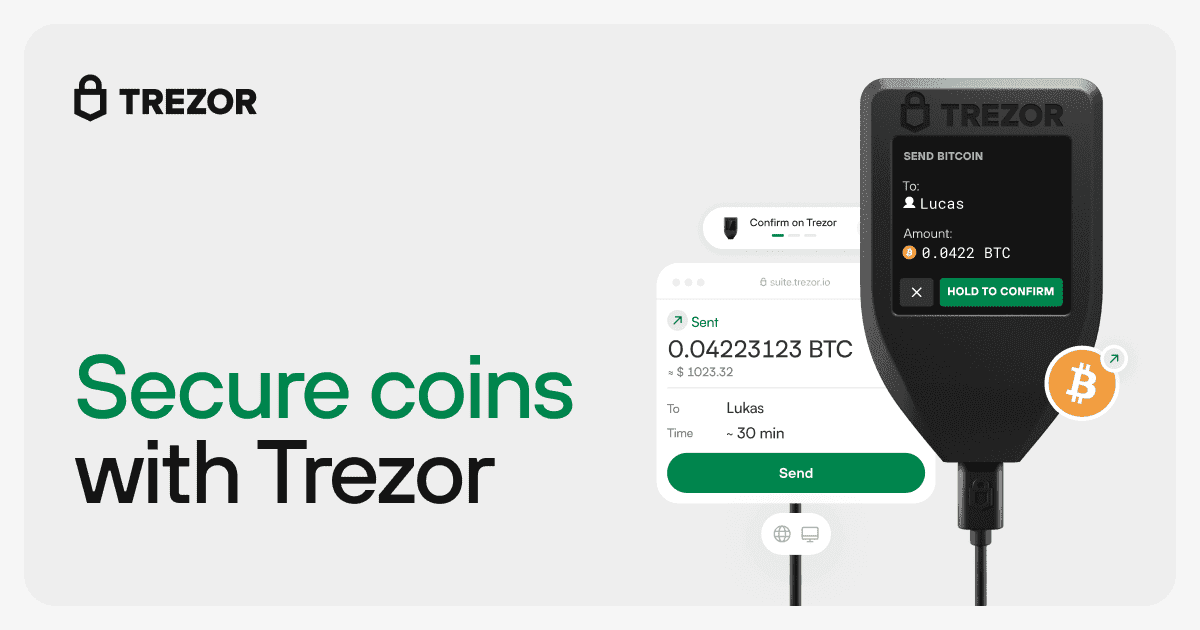
Trezor Login – Comprehensive Guide to Accessing Your Trezor Wallet
Trezor wallets are widely recognized for providing hardware-level security for cryptocurrencies. Unlike software wallets, Trezor keeps your private keys offline, protecting your funds from malware, phishing, and unauthorized access. Logging into your Trezor wallet correctly is the first step toward secure cryptocurrency management.
This guide covers everything about Trezor login, including setup, security practices, troubleshooting, and advanced features.
What Is Trezor Login?
Trezor login refers to the process of accessing your Trezor hardware wallet and managing your crypto holdings. Unlike online wallets, Trezor keeps private keys offline. Logging in involves connecting your Trezor device to a computer or mobile device, entering your PIN, and optionally a passphrase.
Using the official Trezor interface ensures you avoid phishing attacks, fake apps, or malicious websites.
Why Trezor Login Security Is Important
Logging into your Trezor wallet securely is crucial because:
Private Keys Remain Safe: Access requires physical device verification.
Prevents Unauthorized Transactions: PIN and passphrase block hackers.
Secure Portfolio Management: Transactions can only be approved on-device.
Privacy Protection: Wallet activity is never stored on centralized servers.
A secure login ensures your crypto assets remain protected at all times.
Supported Trezor Devices
Trezor login works with the following devices:
Trezor Model T: Advanced device with a touchscreen, supports multiple cryptocurrencies, PIN, and passphrase login.
Trezor One: Entry-level device with buttons for navigation, supporting a wide range of coins, protected by PIN and recovery seed.
Both devices offer robust offline security for your digital assets.
Step 1: Prepare Your Device
Before logging in:
Verify the device is genuine by checking the packaging and holographic seal.
Connect your Trezor to a computer or mobile device using the supplied USB cable.
Ensure your computer is secure and free of malware.
Avoid public computers or untrusted devices to reduce risks.
Step 2: Open the Official Trezor Interface
Use a secure browser and navigate to https://trezor.io/start.
Download Trezor Suite, the official desktop and web application for wallet management.
Verify the software’s authenticity to prevent malware and phishing risks.
Using the official interface ensures safe and private login.
Step 3: Connect Your Trezor Device
Launch Trezor Suite.
Connect your Trezor device via USB.
Follow the on-screen instructions to initiate login.
Trezor Suite acts as the hub for managing your cryptocurrencies securely.
Step 4: Enter Your PIN
Every Trezor device is protected with a PIN:
Enter the PIN on your device’s screen (buttons for Trezor One, touchscreen for Model T).
Use the randomized keypad displayed to avoid keylogging attacks.
Confirm the PIN to proceed.
The PIN is the primary login authentication, protecting your funds from unauthorized access.
Step 5: Optional Passphrase for Added Security
Trezor allows the use of a passphrase in addition to your PIN:
Functions as an extra word added to your recovery seed.
Creates a hidden wallet separate from your main wallet.
Must be remembered; losing it means losing access to that wallet.
Using a passphrase significantly improves security against theft.
Step 6: Access Your Cryptocurrency Accounts
After logging in:
Trezor Suite displays all accounts associated with your wallet.
You can view balances, send and receive funds, and monitor transaction history.
Every action requires on-device verification, keeping your private keys offline.
This ensures your assets remain secure at all times.
Step 7: Sending Cryptocurrency
To send funds securely:
Select the cryptocurrency account to send from.
Enter the recipient’s address and the amount.
Review transaction details and fees carefully.
Confirm the transaction on your Trezor device.
Device confirmation guarantees that transactions are legitimate and secure.
Step 8: Receiving Cryptocurrency
To receive funds safely:
Select the account to receive funds in Trezor Suite.
Generate a receiving address.
Verify the address on your Trezor device.
Share the verified address with the sender.
Confirming the address on the device prevents malware from altering it.
Step 9: Managing Multiple Accounts
Trezor login allows users to manage multiple cryptocurrency accounts:
Supports Bitcoin, Ethereum, Litecoin, and thousands of other coins and tokens.
Users can create multiple accounts per cryptocurrency.
Accounts can be renamed and organized for easy management.
Multi-account management keeps portfolios organized and secure.
Step 10: Login Security Features
Trezor login uses multiple layers of security:
PIN Authentication: Blocks unauthorized access.
Optional Passphrase: Adds an extra layer of protection.
Device Verification: All transactions require physical confirmation.
Recovery Seed: The 24-word seed allows wallet recovery if needed.
Combining these features maximizes protection during login.
Step 11: Recovery and Backup
Trezor login emphasizes the importance of backup:
Keep your 24-word recovery seed offline and secure.
Store it in a safe, ideally fireproof and waterproof, location.
Use it to restore wallet access if the Trezor device is lost or damaged.
Without the recovery seed, funds cannot be restored.
Step 12: Firmware Updates
Keeping firmware updated is crucial:
Check for updates in Trezor Suite.
Follow on-screen instructions to update the device safely.
Confirm updates on your Trezor hardware wallet.
Updates fix security vulnerabilities and improve device functionality.
Step 13: Using Trezor Suite Across Devices
Trezor Suite can be installed on multiple computers or smartphones:
Install Trezor Suite on another device.
Connect your Trezor wallet.
Enter your PIN and optional passphrase to log in.
Private keys remain offline on the device, ensuring secure multi-device access.
Step 14: Troubleshooting Login Issues
Common problems and solutions:
Device not recognized: Try another USB port or cable.
Incorrect PIN: Ensure correct entry; too many failed attempts may temporarily lock the device.
Software issues: Use the official Trezor Suite, clear cache, and update to the latest version.
Following official guidelines prevents errors and security risks.
Step 15: Security Best Practices
To maintain maximum security during login:
Always verify Trezor Suite URLs and downloads.
Confirm addresses on-device before sending or receiving crypto.
Use a strong PIN and optional passphrase.
Keep recovery seeds offline and protected.
Avoid logging in on public or compromised devices.
User vigilance complements hardware security.
Step 16: Trezor Wallets vs Exchange Accounts
Trezor wallets offer self-custody unlike exchange wallets:
Private keys remain on the device.
Funds cannot be frozen by exchanges.
Users have full control and responsibility.
Wallet activity remains private.
Trezor login ensures full ownership of assets while avoiding third-party risks.
Step 17: Who Should Use Trezor Login?
Trezor login is ideal for:
Beginners using their first hardware wallet
Experienced users managing multiple accounts
Long-term crypto investors
Users seeking secure offline storage for private keys
It provides a structured, secure, and user-friendly login experience.
Step 18: Advanced Features During Login
Trezor Suite offers advanced tools for logged-in users:
Hidden Wallets with Passphrases: Multiple accounts for enhanced security.
Portfolio Overview: Real-time asset tracking.
Third-Party Integrations: Swap, buy, or manage crypto without exposing private keys.
DeFi and Staking Management: Access supported blockchain networks securely.
These features improve usability while maintaining the wallet’s security standards.
Step 19: Conclusion
Trezor login is an essential step for secure cryptocurrency management. Proper login ensures:
Safe access to the hardware wallet
Secure PIN and passphrase authentication
Reliable sending and receiving of cryptocurrencies
Backup and recovery readiness
Compliance with security best practices