Trezor Login – Complete Guide to Accessing Your Trezor Wallet Safely
Trezor hardware wallets are among the most secure ways to store cryptocurrencies. They keep your private keys offline, making it virtually impossible for hackers to steal your funds remotely. Logging into your Trezor wallet correctly is essential for secure cryptocurrency management.
This comprehensive guide will explain Trezor login, step by step, covering setup, security practices, account management, troubleshooting, and advanced features.
What Is Trezor Login?
Trezor login refers to the process of accessing your Trezor hardware wallet to manage cryptocurrencies. Unlike software wallets or exchange accounts, Trezor does not store your private keys online. Logging in involves:
Connecting your Trezor device to a computer or mobile device
Entering your PIN
Optionally providing a passphrase for added security
Using the official Trezor interface ensures your wallet remains safe from phishing attacks or malicious software.
Why Trezor Login Security Matters
Logging in securely is vital because it:
Protects Your Private Keys: Keys remain offline and inaccessible to hackers.
Prevents Unauthorized Transactions: PIN and passphrase safeguard against unauthorized access.
Ensures Transaction Integrity: Sending or receiving funds requires device confirmation.
Maintains Privacy: Wallet activity is not stored on centralized servers.
Secure login is the foundation of safe cryptocurrency management.
Supported Trezor Devices
Trezor login applies to multiple devices:
Trezor Model T: Advanced device with a touchscreen, supports multiple cryptocurrencies, and PIN plus passphrase login.
Trezor One: Entry-level device with button navigation, supporting a wide range of coins, secured by PIN and recovery seed.
Both devices provide hardware-level security, keeping your digital assets safe.
Step 1: Prepare Your Device
Before logging in:
Verify your device is authentic and untampered by checking the packaging and holographic seal.
Connect the Trezor wallet to a computer or mobile device using the supplied USB cable.
Ensure the system you use is secure and free from malware.
Avoid public or shared devices to minimize risks.
Step 2: Access the Official Trezor Interface
Open a secure browser and navigate to https://trezor.io/start.
Download Trezor Suite, the official desktop and web application for wallet management.
Verify the downloaded software to prevent phishing attacks or malware.
Using the official interface guarantees a safe login process.
Step 3: Connect Your Trezor Device
Launch Trezor Suite.
Connect the Trezor hardware wallet via USB.
Follow the on-screen instructions to begin the login process.
Trezor Suite acts as a hub for managing your cryptocurrency securely.
Step 4: Enter Your PIN
Every Trezor device is protected with a PIN:
Enter the PIN on your device (buttons for Trezor One, touchscreen for Model T).
Use the randomized on-screen keypad to prevent keylogging attacks.
Confirm the PIN to log in.
The PIN protects your wallet from unauthorized access.
Step 5: Optional Passphrase for Enhanced Security
Trezor allows the use of an optional passphrase:
Functions as an extra word added to your recovery seed
Creates a hidden wallet separate from your main wallet
Must be remembered, as losing it results in permanent loss of access
Using a passphrase significantly enhances wallet security.
Step 6: Access Your Cryptocurrency Accounts
After logging in:
Trezor Suite displays all accounts linked to your device.
You can view balances, transaction history, and manage cryptocurrencies.
Every operation requires confirmation on-device, ensuring private keys remain secure.
This ensures full control of your funds at all times.
Step 7: Sending Cryptocurrency
To send funds safely:
Select the account you wish to send from.
Enter the recipient’s address and the amount.
Verify transaction details carefully.
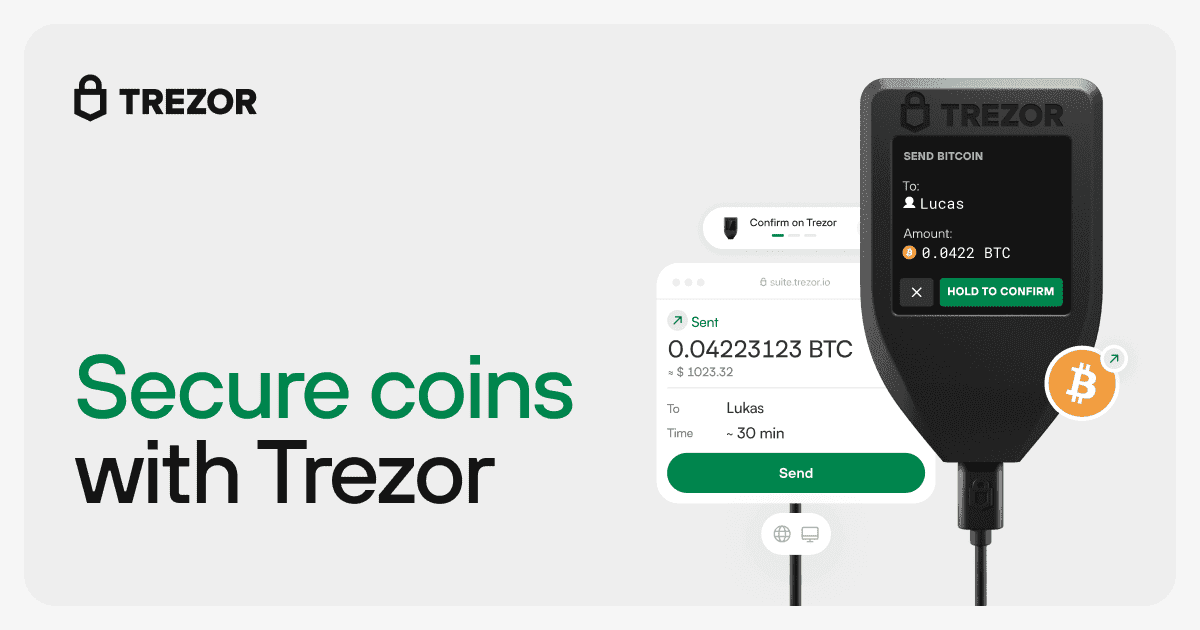
Confirm the transaction on your Trezor device.
Device verification ensures every transaction is authentic.
Step 8: Receiving Cryptocurrency
To receive funds securely:
Select the receiving account in Trezor Suite.
Generate a receiving address.
Confirm the address on your device.
Share the verified address with the sender.
Confirming the address prevents malware from altering it.
Step 9: Managing Multiple Accounts
Trezor login allows you to manage multiple cryptocurrency accounts:
Supports Bitcoin, Ethereum, Litecoin, and thousands of other coins and tokens
Multiple accounts per cryptocurrency can be created
Accounts can be renamed and organized for better portfolio management
Multi-account management makes cryptocurrency tracking simple and secure.
Step 10: Security Features During Login
Trezor login includes multiple security layers:
PIN Authentication: Blocks unauthorized access
Optional Passphrase: Adds an extra layer of protection
Device Verification: All transactions must be confirmed on the device
Recovery Seed: 24-word seed allows wallet recovery if lost
Combining these features maximizes security.
Step 11: Backup and Recovery
Backup is crucial for wallet security:
Store the 24-word recovery seed offline in a secure location
Consider fireproof or waterproof storage
Use the seed to restore wallet access if the device is lost or damaged
Without the recovery seed, funds cannot be recovered.
Step 12: Firmware Updates
Firmware updates improve security:
Check for updates in Trezor Suite.
Follow on-screen instructions to update your device.
Confirm updates on the Trezor hardware wallet.
Updating firmware protects against vulnerabilities and adds features.
Step 13: Using Trezor Suite on Multiple Devices
Trezor Suite can be installed on multiple computers or smartphones:
Install Trezor Suite on the new device.
Connect your Trezor wallet.
Enter your PIN and optional passphrase to log in.
Private keys remain offline, ensuring secure multi-device access.
Step 14: Troubleshooting Login Issues
Common login problems and solutions:
Device not recognized: Try another USB port or cable
Incorrect PIN: Too many failed attempts may temporarily lock the device
Software issues: Ensure you’re using the official Trezor Suite and update to the latest version
Following official instructions prevents errors and security risks.
Step 15: Best Practices for Trezor Login
Always download Trezor Suite from official sources
Verify addresses on-device before sending or receiving crypto
Use a strong PIN and optional passphrase
Keep recovery seeds offline and secure
Avoid logging in on public or untrusted devices
These practices maximize wallet safety.
Step 16: Trezor Wallet vs Exchange Wallet
Trezor wallets offer self-custody advantages:
Private keys remain on the device
Funds cannot be frozen by exchanges
Full control and responsibility remain with the user
Enhanced privacy and security
Trezor login ensures you maintain full ownership of your assets.
Step 17: Who Should Use Trezor Login?
Ideal users include:
Beginners using their first hardware wallet
Experienced users managing multiple accounts
Long-term crypto investors
Anyone seeking secure offline storage for private keys
Trezor login provides a secure and user-friendly experience.
Step 18: Advanced Features During Login
Logged-in users can access advanced tools:
Hidden wallets with passphrases
Portfolio overview and tracking
Third-party integrations for swaps and purchases
Staking and DeFi management
These features enhance usability while maintaining top-level security.
Step 19: Conclusion
Trezor login is a vital step for secure cryptocurrency management. Correct login ensures:
Safe access to your Trezor wallet
Strong PIN and passphrase protection
Reliable sending and receiving of funds
Backup and recovery readiness
Compliance with security best practices